
What Is Sequential Art?

Sequential art is used for storytelling and communication with images arranged in a deliberate order, most commonly seen in comics, manga, graphic novels, and webtoons. Panels guide the reader’s eye and build a narrative through juxtaposed images, often supported by text. Coined by Will Eisner, the term describes using a sequence of pictures (and sometimes words) to create meaning, movement, and emotion—where the invisible space between panels becomes essential to how the story unfolds.
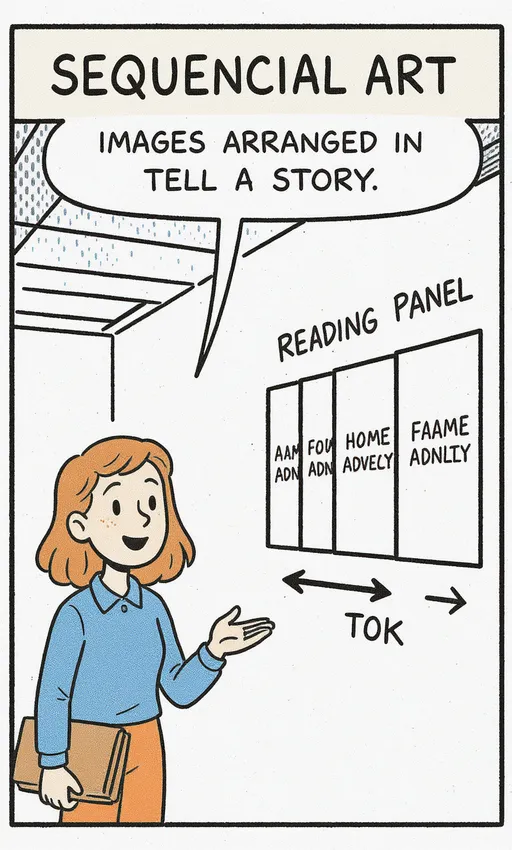
Images arranged in sequence tell a story.
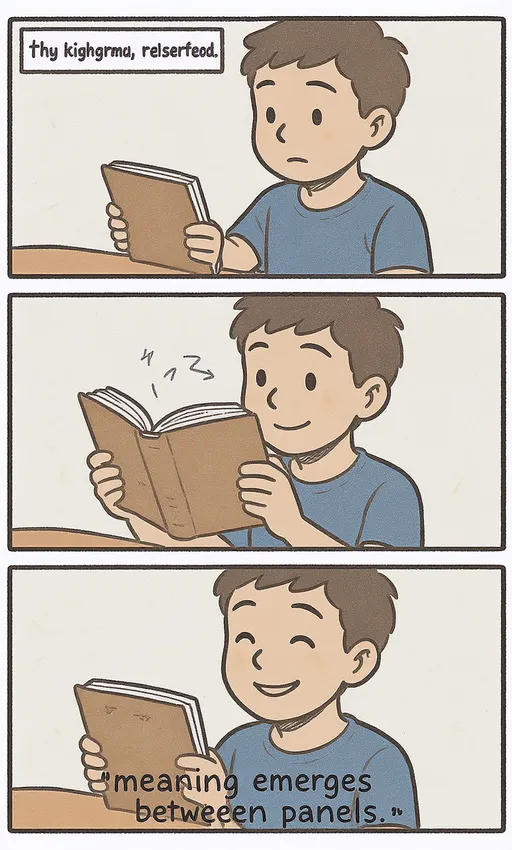
Meaning emerges between panels.
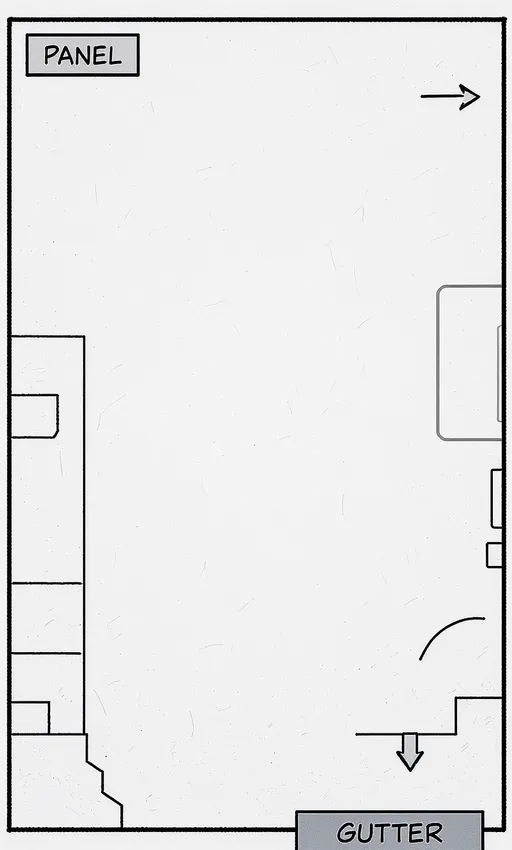
Panels, gutters, and eye flow guide reading.
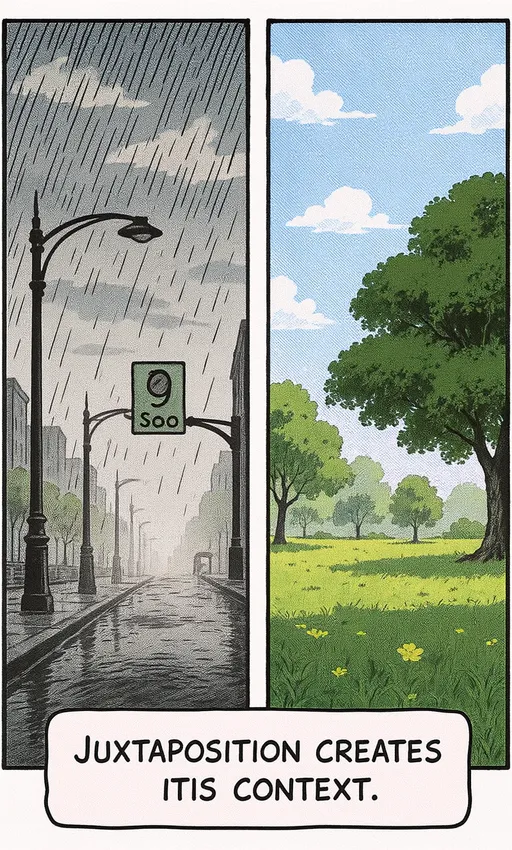
Juxtaposition creates context.
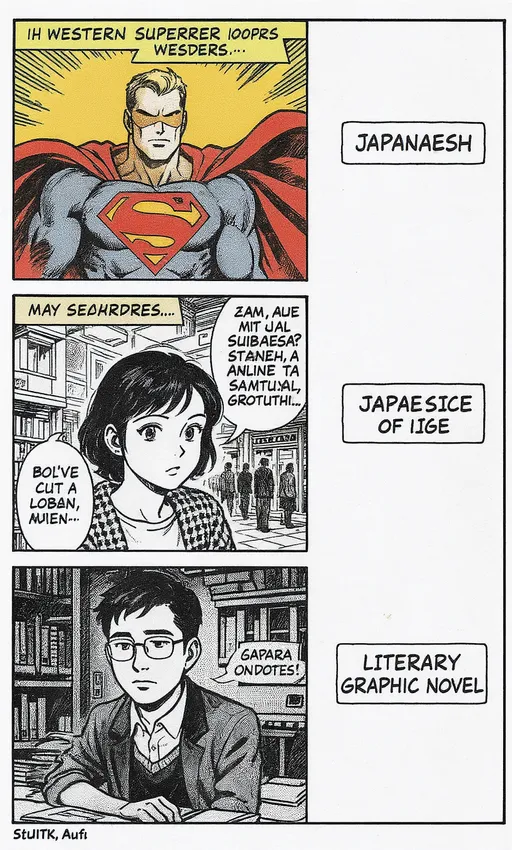
Comics, manga, and graphic novels all use sequential art.
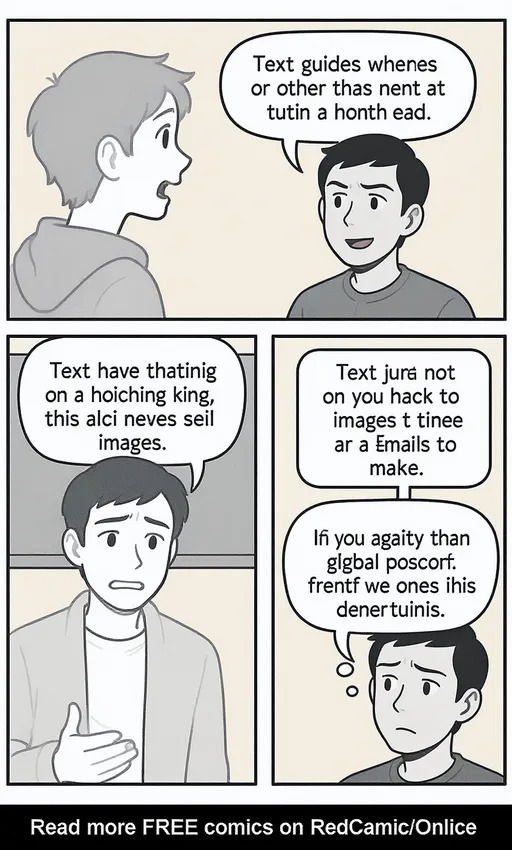
Text complements images: speech, narration, and thought.
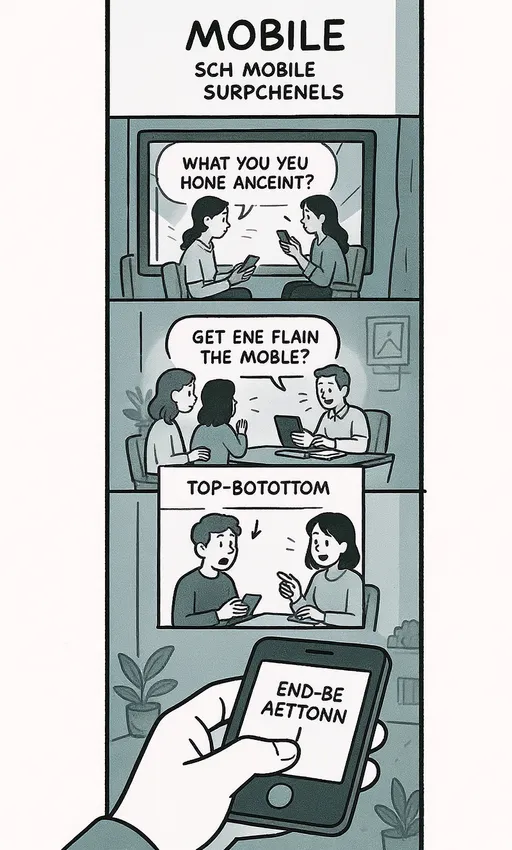
Webtoons flow vertically on mobile.
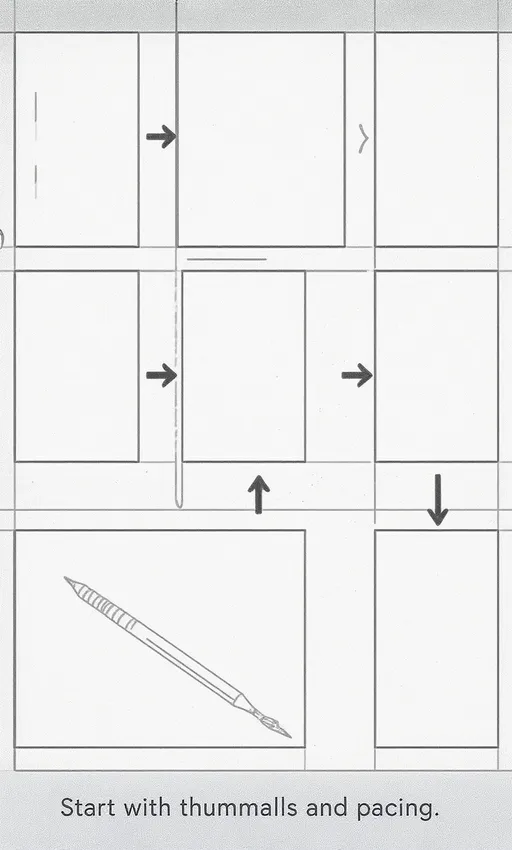
Plan thumbnails and pacing before you draw.
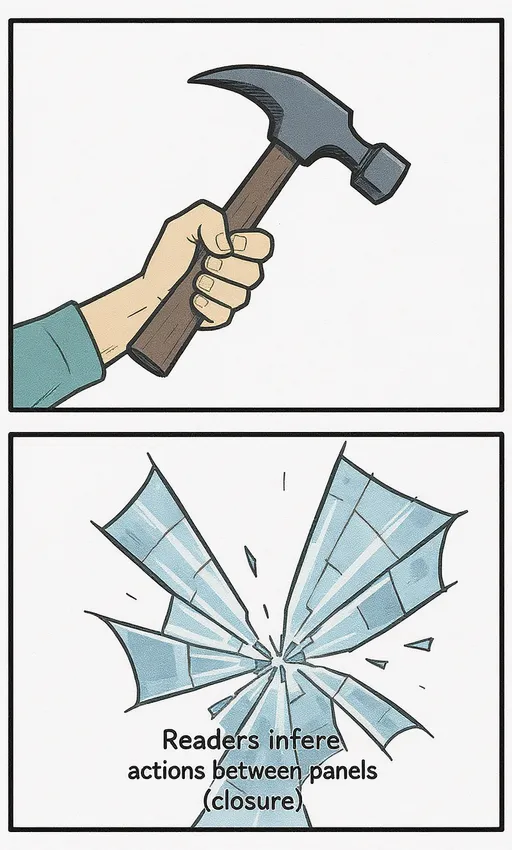
Closure: readers infer actions between panels.
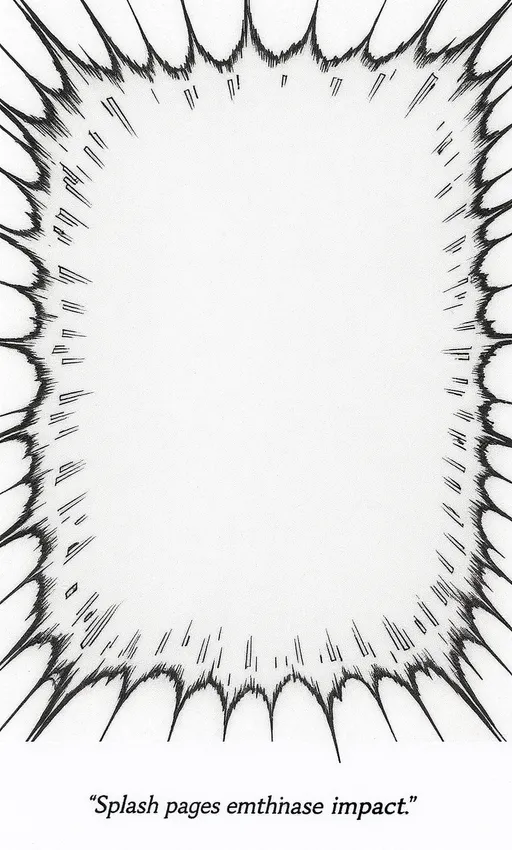
Splash pages create impact.
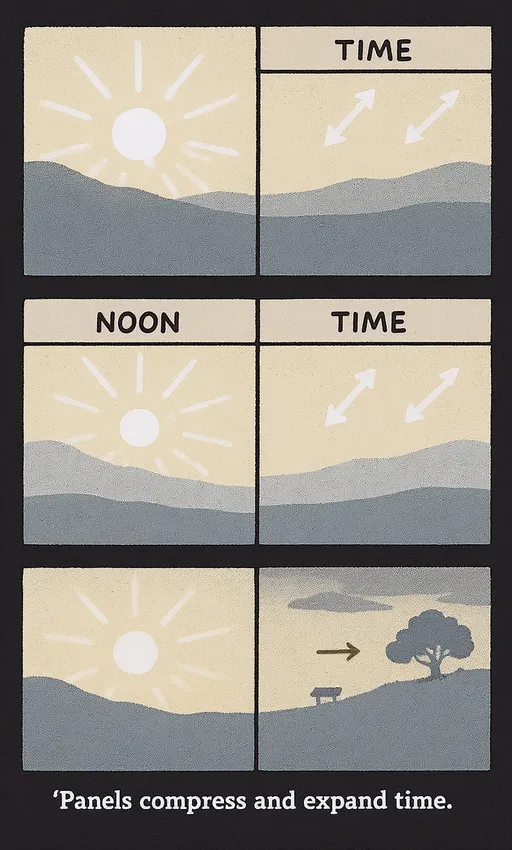
Panels can compress or expand time.
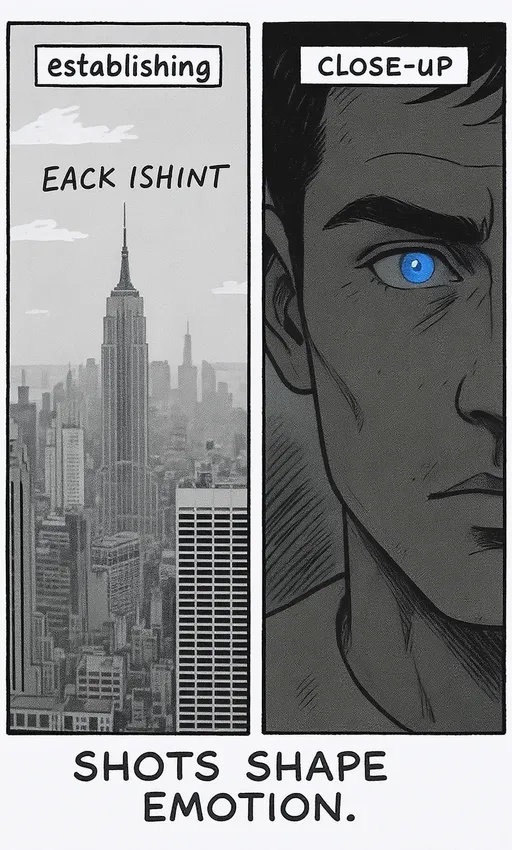
Different shots shape emotion.
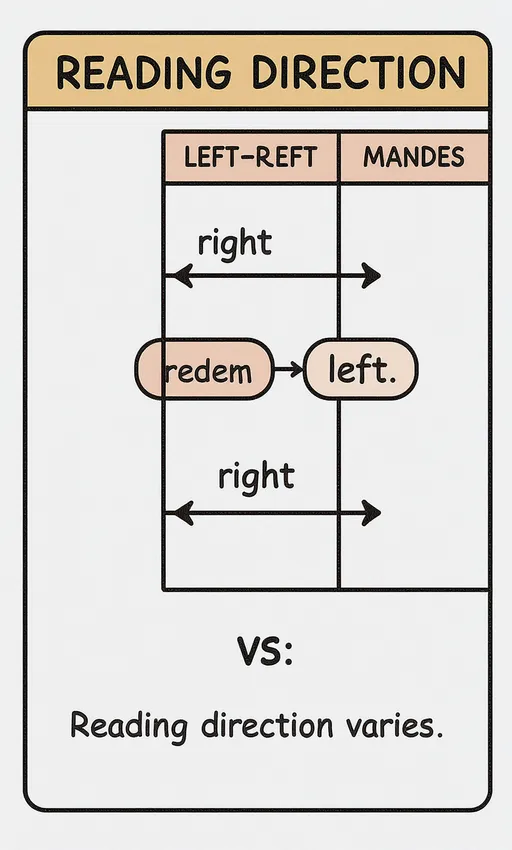
Reading direction varies by format and culture.
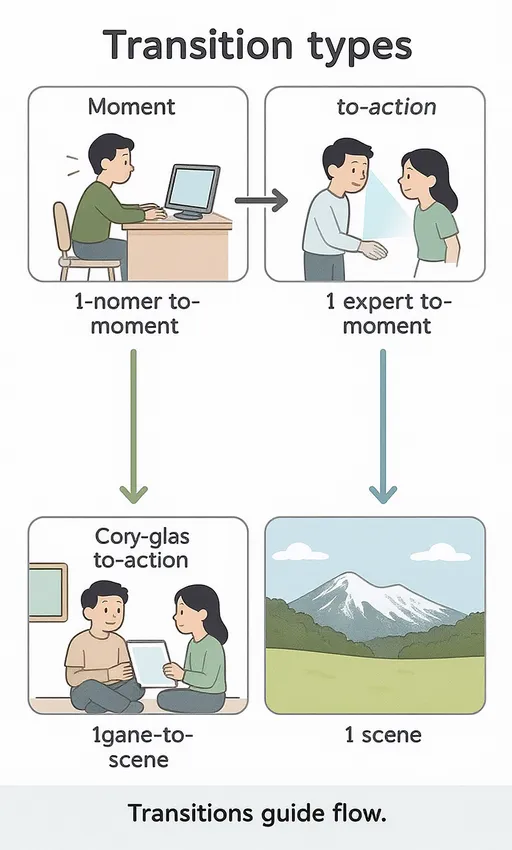
Panel transitions guide story flow.
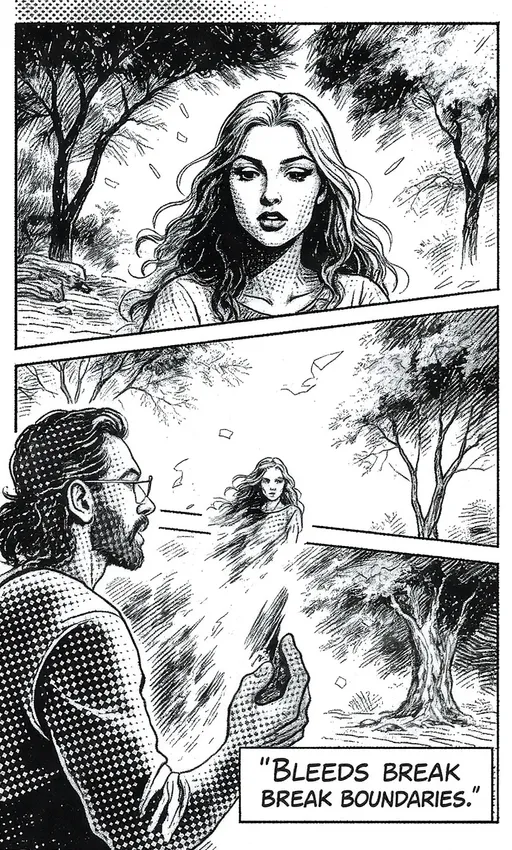
Bleed panels break the frame boundaries.
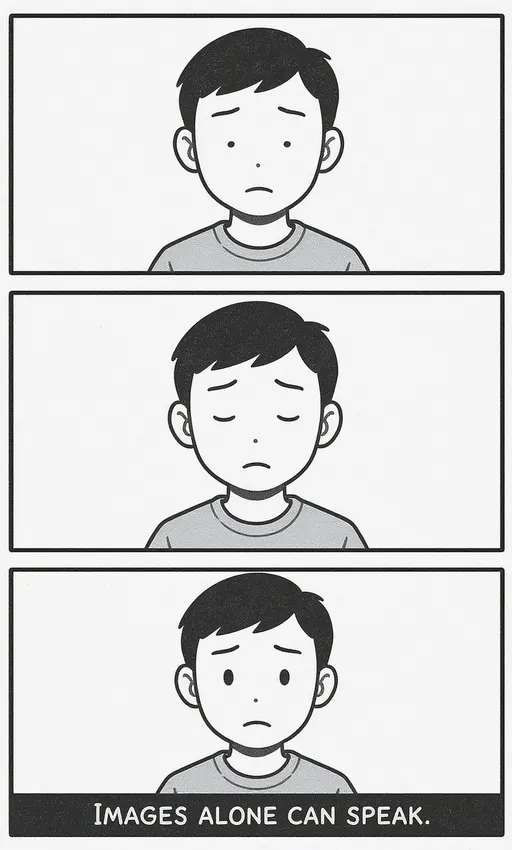
Images alone can tell the story.