在第一頁開始之前,漫畫世界不需要一本龐大的百科全書。
它需要的是幾個讀者能辨認、重訪,並且一眼就能理解的場景。如果每一格的設定都在變,漫畫就會顯得不穩定。如果背景一直很籠統,故事就會失去氛圍。好的世界觀建構,能讓你的分鏡有立足之地。
本指南延續這個系列:
今天,你會把故事種子與角色設定表轉化成一個實用成果:
三個可重複使用的場景,以及一份視覺風格定義。
這些素材會成為腳本、分鏡提示詞、鏡頭選擇,以及最終漫畫頁面的基礎。
對於第一頁漫畫或短篇漫畫場景來說,不要建構整個星球。只要建立三個場景:
1. 根據地
2. 壓力場景
3. 謎團或目的地場景
每個場景都應包含:
以下是範本:
Location name:
Story function:
What happens here:
Shape language:
Key objects:
Palette:
Lighting:
Texture:
Crowd or emptiness:
Camera feel:
Never change:
Can change:
Panel use:
範例:
Location name: Floating Junk Market
Story function: home base and pressure source
What happens here: Leo works, hides mistakes, and meets people who know too much
Shape language: stacked platforms, hanging cables, patched metal, narrow bridges
Key objects: repair stalls, pulley crates, warning flags, old fans
Palette: dusty gray, faded yellow, rust orange, sky blue
Lighting: bright high-altitude daylight with hard shadows
Texture: scratched metal, canvas awnings, oil stains, chipped paint
Crowd or emptiness: crowded foreground, open sky behind
Camera feel: wide establishing shots and low angles along bridges
Never change: floating platforms, hanging cables, warning flags, open sky
Can change: stall signs, crowd density, weather, loose props
Panel use: opening shot, chase path, argument scene, visual reminder of pressure
這就是在實際漫畫尺度上有用的世界觀建構。
如果你在世界尚未定義前就先寫分鏡腳本,那麼每一格都得重新發明一個背景。
這會造成三個問題:
更好的世界觀建構能提供可重複使用的環境錨點。
以 Leo 的故事為例,故事種子其實已經給出了世界設定:
In a floating junk market above the city, Leo, a nervous apprentice repair kid, wants to prove he can fix something valuable, but every machine he touches breaks in a new way. When he opens a dented delivery crate and finds a tiny robot repeating his missing sister's voice, he must decide whether to hide it from the market guards or follow the robot's map, which points to a place that officially does not exist.
從這段文字中,我們可以提取出:
| 故事線索 | 世界觀建構決策 |
|---|---|
| 漂浮垃圾市場 | 垂直平台、天空間隙、回收攤位 |
| 維修學徒小孩 | 工具、工作台、木箱、機械零件 |
| 市場守衛 | 檢查哨門、警示燈、巡邏路線 |
| 失蹤的姊姊 | 舊家庭線索、隱藏記號、記憶物件 |
| 不存在的地方 | 禁區地圖區域、奇異建築、視覺對比 |
世界其實已經存在於故事裡。你的工作,就是讓它變得可見。
不要從景觀開始。先從功能開始。
問自己:
對於短篇漫畫來說,三個場景就夠了:
| 場景類型 | 目的 | Leo 的範例 |
|---|---|---|
| 根據地 | 展示日常生活與規則 | 漂浮垃圾市場 |
| 壓力場景 | 迫使角色行動或面對危險 | 守衛檢查橋 |
| 謎團場景 | 開啟下一個故事問題 | 未列名平台 |
每個場景都應該有其任務。如果某個場景無法推動故事,就把它與另一個合併。
視覺錨點就像是背景版本的角色錨點。它能幫助讀者知道自己身在何處。
好的場景錨點包括:
以 Leo 為例:
Floating Junk Market: hanging cables and warning flags
Guard Checkpoint Bridge: red signal lights and steel gate ribs
Unlisted Platform: impossible white stone arches under the market
現在,漫畫就能在不同場景之間切換,而不會讓讀者混淆。
以下是適用於 Leo 故事的三場景組合。
Story function: home base and pressure source
Visual identity: stacked salvage platforms above open sky
Palette: dusty gray, faded yellow, rust orange, sky blue
Lighting: hard daylight, wind, sharp shadows
Key objects: repair stalls, pulley crates, hanging wires, warning flags
Mood: busy, unstable, noisy
Never change: floating platforms, sky gaps, hanging cables, warning flags
Can change: crowd density, weather, loose parts, stall arrangement
可用於:
Story function: danger and rule enforcement
Visual identity: narrow bridge between platforms with a heavy steel gate
Palette: dark blue-gray, red lights, worn black rubber, cold metal
Lighting: alternating warning lights and deep shadows
Key objects: scanner arch, patrol booth, chain barrier, guard silhouettes
Mood: tense, exposed, watched
Never change: red signal lights, bridge gate ribs, narrow walkway
Can change: number of guards, crate positions, fog, crowd flow
可用於:
Story function: mystery and destination
Visual identity: an impossible quiet platform beneath the market that official maps ignore
Palette: pale stone, muted green, silver light, deep shadow
Lighting: soft reflected light from below, no visible sun
Key objects: sealed door, old transit map, broken clock, sister's symbol
Mood: quiet, forbidden, strangely clean
Never change: white arches, sealed door, silver light, sister's symbol
Can change: dust, mist, small debris, robot glow
可用於:
各個場景需要共享一套視覺語言。否則漫畫看起來就會像彼此無關的圖片。
使用這個風格定義:
Overall style:
Line quality:
Color strategy:
Lighting strategy:
Background detail:
Texture:
Camera language:
Mood range:
Do not use:
範例:
Overall style: cinematic clean manga with grounded props and readable panel backgrounds
Line quality: clean outlines, light hatching on metal and fabric
Color strategy: muted industrial palette with small warm accents
Lighting strategy: natural daylight for the market, red warning lights for danger, silver light for mystery
Background detail: medium detail, enough to recognize the location but not overwhelm the character
Texture: scratched metal, canvas, chipped paint, worn rubber, pale stone
Camera language: wide establishing shots before close emotional panels
Mood range: adventurous, tense, curious, slightly melancholic
Do not use: random neon cyberpunk, unreadable signs, crowded details behind every face
這些規則可以延續到每一個分鏡提示詞中。
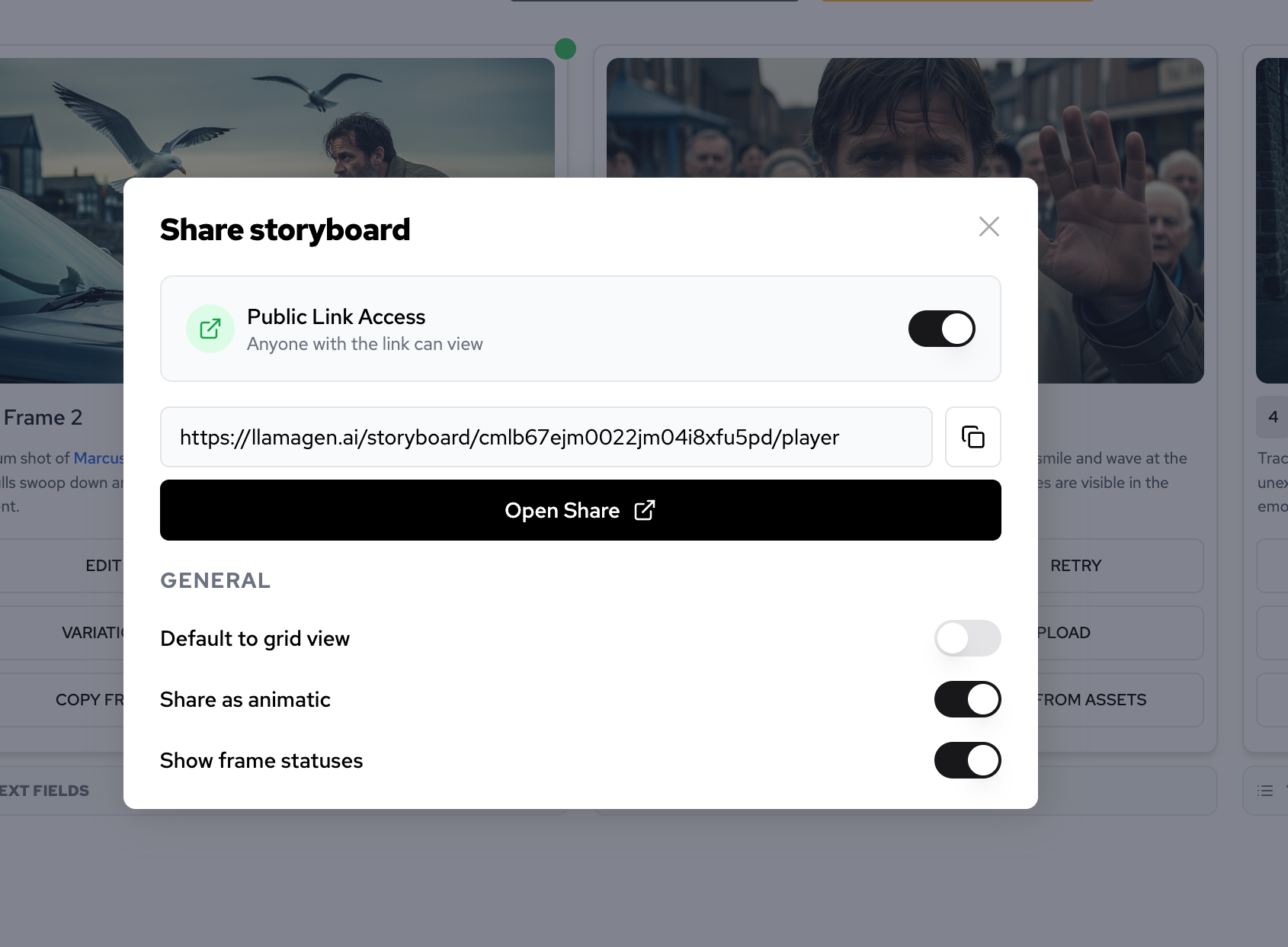
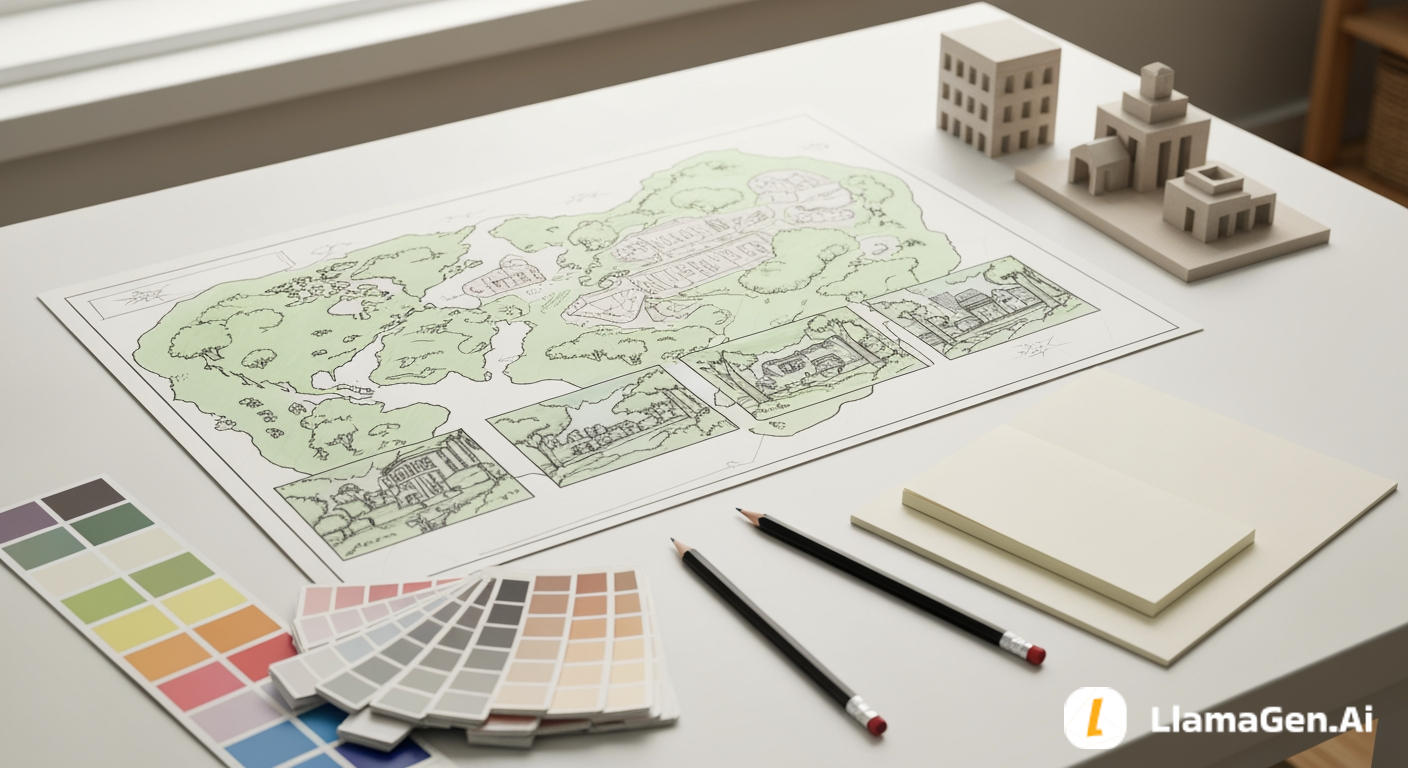
這就是 LlamaGen.AI 自然融入工作流程的地方。世界觀建構不只是產生一張背景圖,而是成為漫畫頁面、場景、分鏡板,以及格級修改的製作系統。
使用 LlamaGen.AI 來建立:
一次只從一個場景開始。不要要求一次生成所有場景、所有角色和完整劇情。
使用這個結構:
Create a reusable comic environment reference for:
[paste location sheet]

Include:
- wide establishing shot
- one medium shot with space for a character
- one detail shot of a key object

Style rules:
[paste visual style definition]

Important:
- no readable text
- preserve the location anchors
- make the background useful for future comic panels
生成之後,將結果與場景表對照。如果視覺錨點消失了,就先收緊提示詞,再繼續下一步。
一個簡單的檢查循環會很有幫助:
使用以下提示詞,將故事種子轉化成實用的世界觀建構素材。
Extract world-building clues from this comic story seed:
[paste story seed]

Return:
- visible setting clues
- social rules
- technology or magic rules
- possible locations
- recurring objects
- mood and lighting cues
- details that should become visual anchors
Keep the output practical for comic panels.
Create three reusable comic locations from this story seed and character sheet:
[paste story seed]
[paste character sheet]

Use this structure for each location:
- location name
- story function
- visual identity
- key objects
- palette
- lighting
- mood
- never-change rules
- flexible details
- panel uses
Do not create more than three locations.
Create a visual style definition for this comic world:
[paste location sheets]

Output:
- overall style
- line quality
- color strategy
- lighting strategy
- background detail level
- texture rules
- camera language
- mood range
- do-not-use list
Make it usable inside AI comic generation prompts.
Turn this location sheet into a LlamaGen-ready prompt:
[paste location sheet]

Create a reusable comic environment reference.
Include a wide establishing view, a medium panel background, and a key object detail.
Preserve the visual anchors.
Avoid readable text, logos, random signs, or unrelated characters.
Review these comic location sheets for consistency risks:
[paste location sheets]

Find:
- locations that look too similar
- missing visual anchors
- vague palettes
- background details that are too complex
- rules that should be fixed before panel generation
Return a revised version.
以下是 Leo 第一頁漫畫的精簡世界設定手冊:
World premise:
A floating salvage market hangs above a city. Repairs, trade, and illegal transport routes keep the market alive, but guards control access to old platforms that official maps no longer show.

Core locations:
1. Floating Junk Market
2. Guard Checkpoint Bridge
3. The Unlisted Platform

Shared visual style:
Cinematic clean manga, muted industrial palette, readable backgrounds, strong silhouettes, sky gaps, patched metal, limited warm accents, and clear lighting contrast between public market, danger zone, and mystery space.

World rule:
Official maps are incomplete. Hidden platforms can exist below, above, or between registered market layers.

Recurring visual symbols:
Warning flags, old transit marks, pulley crates, sister's symbol, dented repair tools.

Do not change:
The market floats above open sky. The checkpoint uses red warning lights. The Unlisted Platform has pale arches and silver light.
這樣就足以寫出下一篇文章:逐格漫畫腳本。
在進入分鏡腳本之前,請檢查你的世界觀建構表:
有幾個問題可能會削弱這個流程:
只要避開這些錯誤,後續的腳本撰寫與分鏡生成就會容易得多。
本系列的下一篇文章是 漫畫腳本與分鏡規劃。那篇指南會把你的故事、角色設定表與世界觀筆記,轉化成一份 4 到 6 格的腳本。
上一步:角色創作
從第 1 天開始:如何開始一個漫畫故事
當你準備好把你的世界轉化成漫畫分鏡時,從這裡開始:
彙整最新的 LlamaGen 功能發布、產品強化、設計更新與重要錯誤修正。


只需推薦你的朋友、追隨者和顧客,即可終身賺取高達 30% 的循環佣金!